Anmol Bani
Sri Guru Tegh Bahadur Ji
ਭੈ ਕਾਹੂ ਕਉ ਦੇਤ ਨਹਿ ਨਹਿ ਭੈ ਮਾਨਤ ਆਨ ॥
Bhai Kaahu Ko Det Nahi, Nahi Bhai Manant Aan
"Who frightens none and fears none — Nanak, such a one is called a free being."
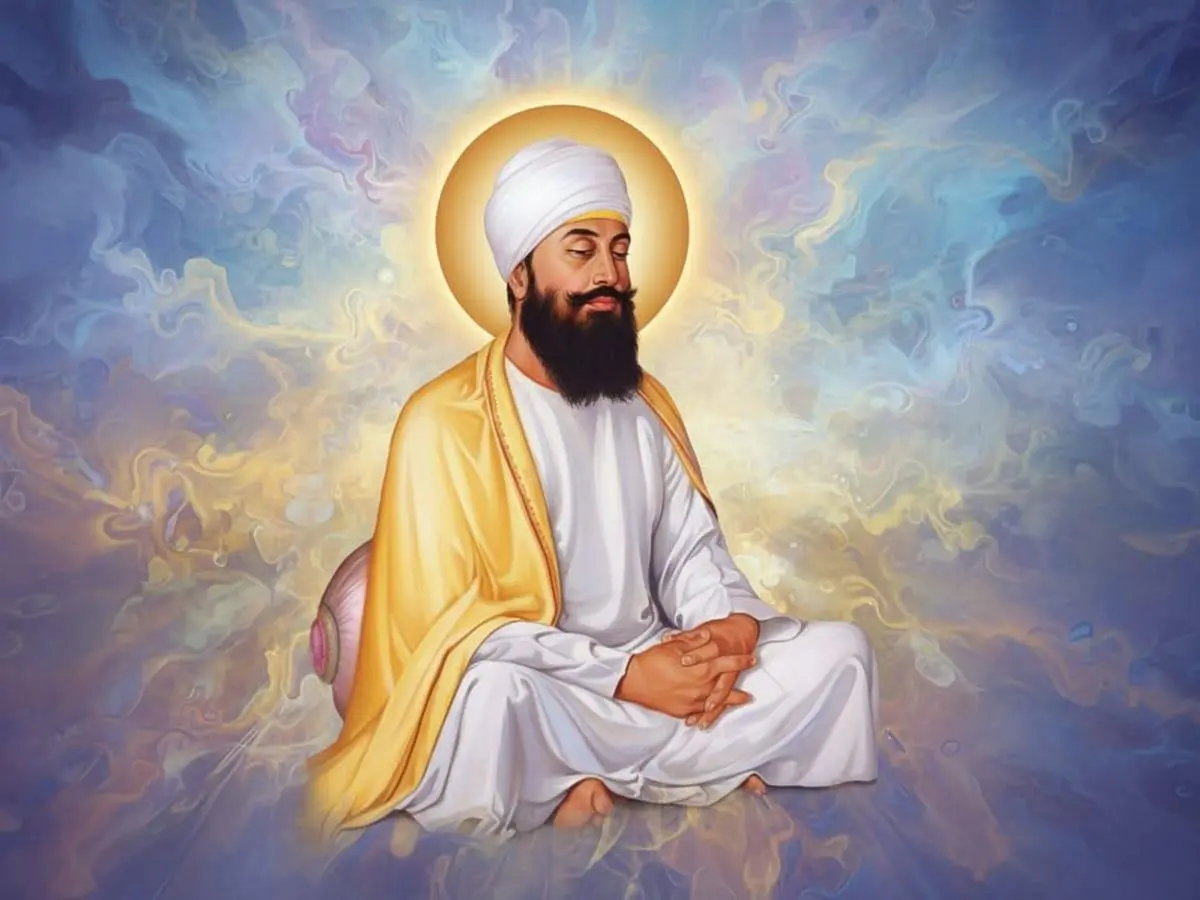
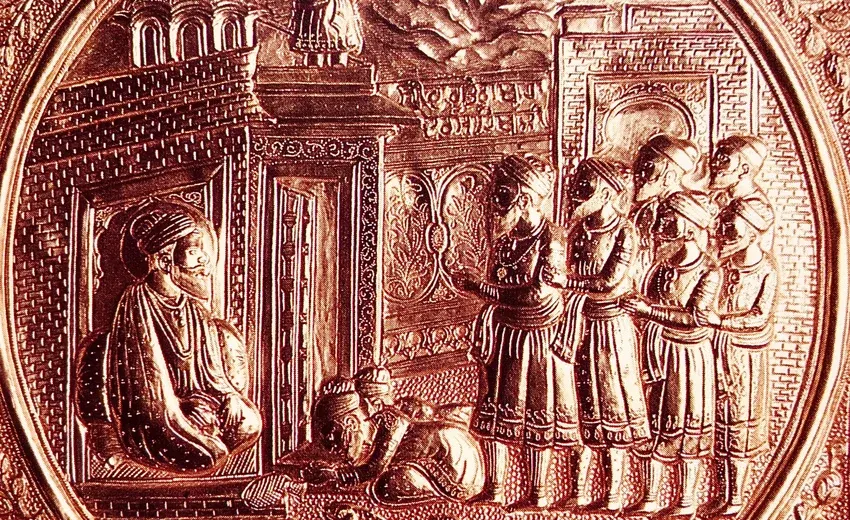
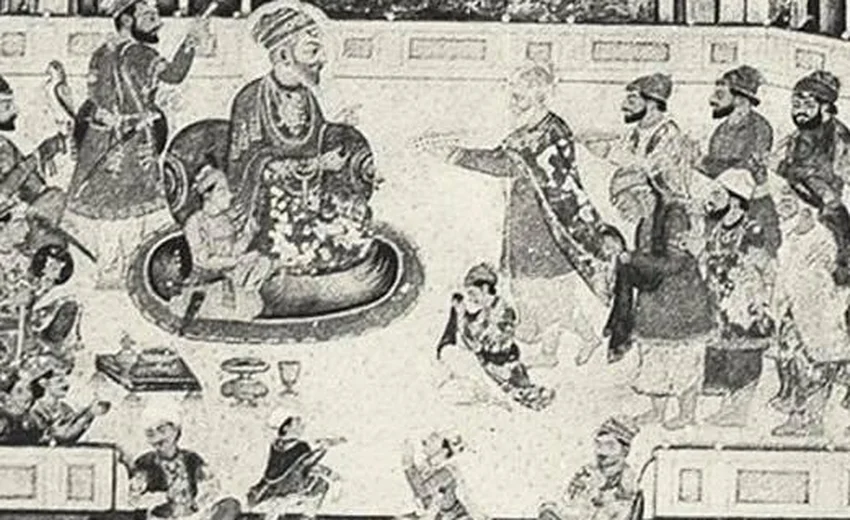
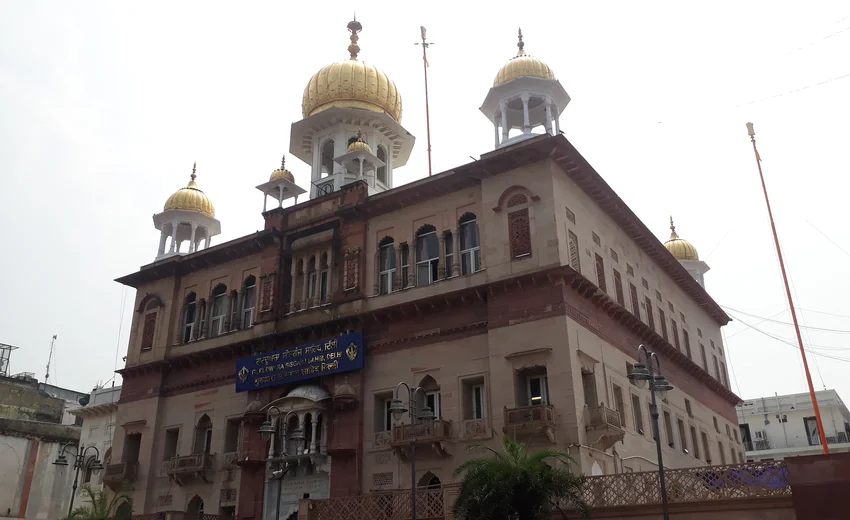
Sri Guru Tegh Bahadur Ji — Divine Wisdom & Sacrifice
Watch the inspiring discourse reflecting on the life, supreme martyrdom, and spiritual legacy of the Ninth Sikh Guru.
Slok Mohalla 9
The Shabad
Priceless Verses — Anmol Bani
The 116 shabads of Guru Tegh Bahadur Ji, enshrined in Sri Guru Granth Sahib Ji, sing of fearlessness, detachment, and the imperishable nature of the soul.
Salok · 1
ਜਉ ਤਉ ਪ੍ਰੇਮ ਖੇਲਣ ਕਾ ਚਾਉ ॥
ਸਿਰੁ ਧਰਿ ਤਲੀ ਗਲੀ ਮੇਰੀ ਆਉ ॥
"If you wish to play the game of love, come to my street with your head upon your palm."
Salok · 2
ਮਨ ਰੇ ਜਗਤੁ ਅਨਿਤੁ ਕਿਉ ਗਹੀਐ ॥
ਹਰਿ ਹਰਿ ਨਾਮੁ ਧਿਆਇ ਮਨ ਮਹਿ ਸਦ ਸੁਖ ਲਹੀਐ ॥
"O mind, this world is fleeting — why cling to it? Meditate on the Lord's Name and find everlasting peace within."
Salok · 3
ਇਹੁ ਮਨੁ ਚੰਚਲੁ ਵਸਿ ਕਰਹੁ ਗੁਰ ਸਬਦਿ ਵੀਚਾਰਿ ॥
ਨਾਨਕ ਨਾਮੁ ਨ ਵੀਸਰੈ ਐਸੇ ਬ੍ਰਹਮ ਵੀਚਾਰਿ ॥
"Subdue this restless mind through the Guru's Word. May the Name never be forgotten, O Nanak, through such divine contemplation."
Salok · 4
ਕਾਹੇ ਰੇ ਮਨ ਚਿਤਵਹਿ ਉਦਮੁ ਜਾ ਆਹਰਿ ਹਰਿ ਜੀਉ ਪਰਿਆ ॥
ਸੈਲ ਪਥਰ ਮਹਿ ਜੰਤ ਉਪਾਏ ਤਾ ਕਾ ਰਿਜਕੁ ਆਗੈ ਕਰਿਆ ॥
"Why, O mind, do you worry about sustenance when the Lord Himself has taken charge? He creates creatures even within rocks and stones and provides their nourishment."
Salok · 5
ਜੋ ਨਰੁ ਦੁਖ ਮੈ ਦੁਖੁ ਨਹੀ ਮਾਨੈ ॥
ਸੁਖ ਸਨੇਹੁ ਅਰੁ ਭੈ ਨਹੀ ਜਾ ਕੈ ਕੰਚਨ ਮਾਟੀ ਮਾਨੈ ॥
"That person who is not troubled by troubles — who holds pleasure and pain, love and fear, gold and dust all the same — that soul is truly liberated."
Salok · 6
ਭੈ ਕਾਹੂ ਕਉ ਦੇਤ ਨਹਿ ਨਹਿ ਭੈ ਮਾਨਤ ਆਨ ॥
ਕਹੁ ਨਾਨਕ ਸੁਨਿ ਰੇ ਮਨਾ ਗਿਆਨੀ ਤਾਹਿ ਬਖਾਨਿ ॥
"Who frightens none and fears none — Nanak says, O mind, hear this: call that one truly enlightened."
Salok · 7
ਸੰਗੁ ਛਾਡਿ ਨਿਹਚੈ ਭਇਓ ਬਿਪਤਿ ਕੋ ਨਹੀ ਕੋਇ ॥
ਕਹੁ ਨਾਨਕ ਇਹ ਬਿਪਤਿ ਮਹਿ ਏਕੋ ਹਰਿ ਆਧਾਰੁ ॥
"All companions have departed; no one remains in times of trouble. Nanak says, in such adversity, the Lord alone is my support."
Salok · 8
ਸਭ ਸੁਖ ਦਾਤਾ ਰਾਮੁ ਹੈ ਦੂਸਰ ਨਾਹਿ ਕੋਇ ॥
ਕਹੁ ਨਾਨਕ ਸੁਨਿ ਰੇ ਮਨਾ ਤਿਹ ਸਿਮਰਤ ਗਤਿ ਹੋਇ ॥
"The Lord alone is the Bestower of all peace; there is no other. Nanak says, listen O mind, by meditating on Him, liberation is attained."
Salok · 9
ਸਿਰਜਨਹਾਰੋ ਸਦਾ ਸੰਗਿ ਜਾ ਕੈ ਬੇਧਿਆ ਮਨੁ ਹੋਇ ॥
ਕਹੁ ਨਾਨਕੁ ਸੋਈ ਜਨੁ ਧੰਨਿ ਹੈ ਹਰਿ ਸਿਉ ਲੀਨੋ ਹੋਇ ॥
"The Creator is ever present with the one whose mind is pierced by love. Nanak says, blessed is that humble servant who remains absorbed in the Lord."
The Divine Lineage
The Sacred Gurus of Sikhism
Explore the spiritual lineage, teachings, and portraits of the Gurus whose divine light shines through the ages.
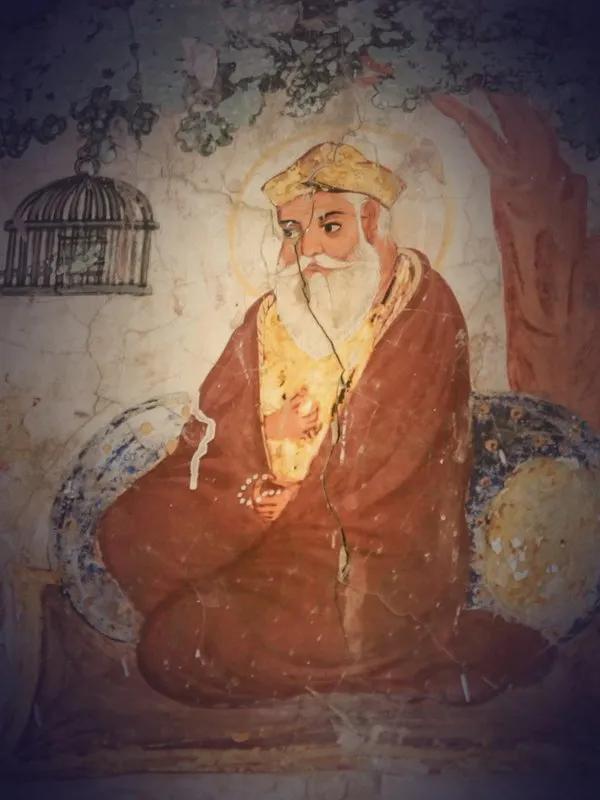
1st Sikh Guru
Sri Guru Nanak Dev Ji
1469 – 1539
The founder of Sikhism. He preached the oneness of God, universal brotherhood, and a path of honest living, sharing, and meditation.
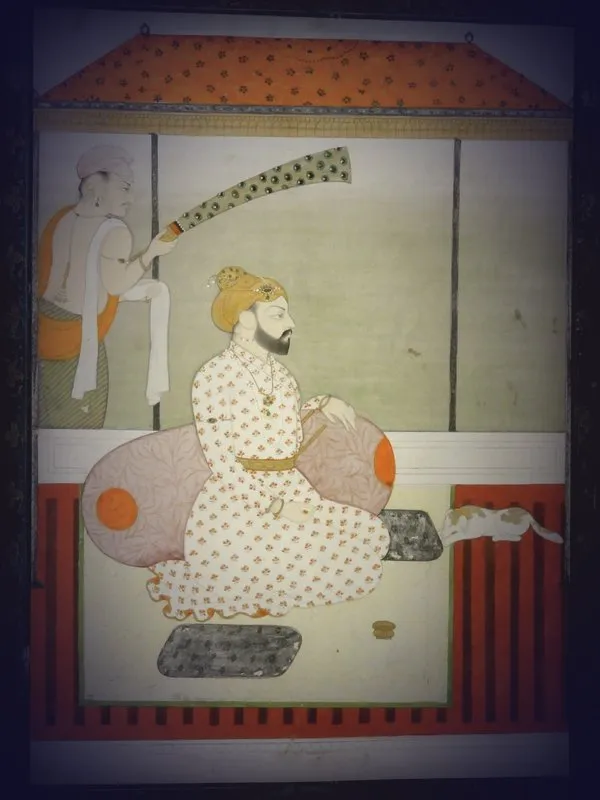
2nd Sikh Guru
Sri Guru Angad Dev Ji
1504 – 1552
Formulated the Gurmukhi script, making the scriptures accessible to all. He established the tradition of Langar (free kitchen) and emphasized physical fitness alongside spiritual learning.
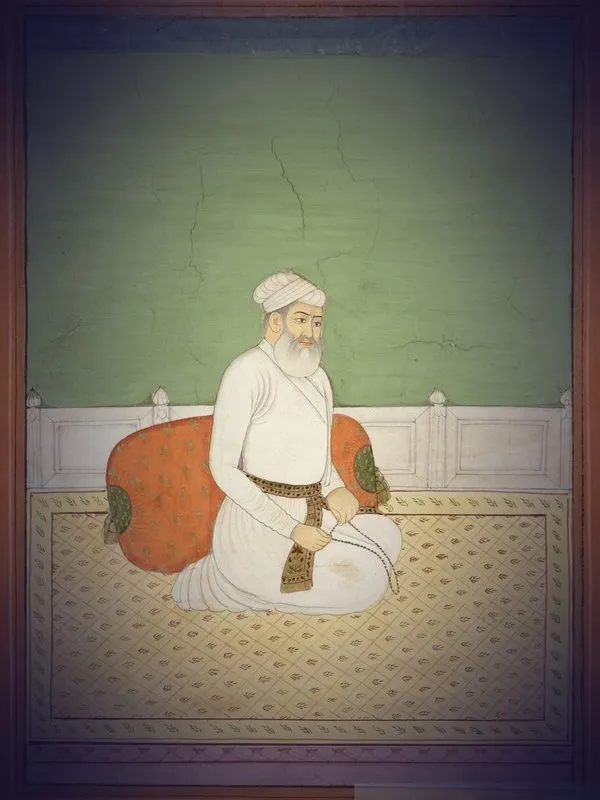
3rd Sikh Guru
Sri Guru Amar Das Ji
1479 – 1574
Strengthened the Langar institution (ordering "Pehle Pangat, Peeche Sangat") and fought against social evils like Sati and caste discrimination, empowering women in spiritual and social life.
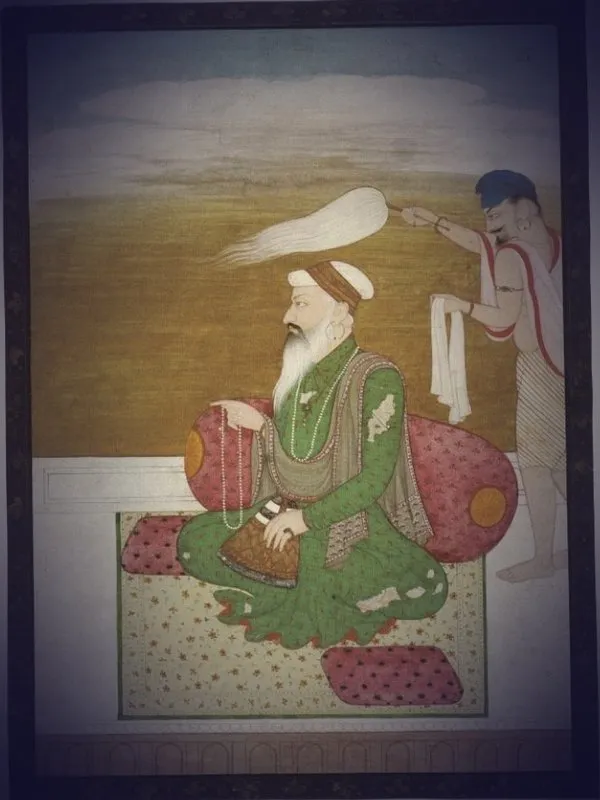
4th Sikh Guru
Sri Guru Ram Das Ji
1534 – 1581
Founded the holy city of Amritsar (originally Ramdaspur) and started the construction of the Harmandir Sahib (Golden Temple). He composed the Lavan hymns used in Sikh wedding ceremonies.
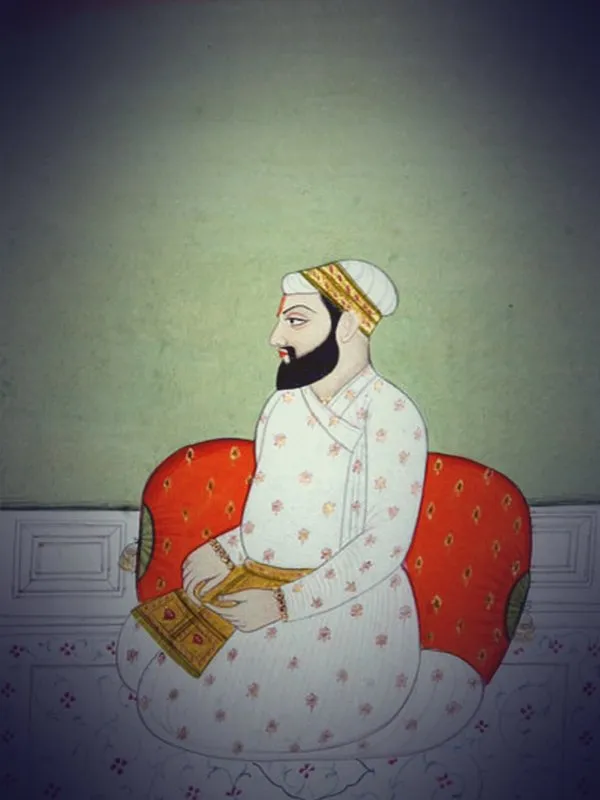
5th Sikh Guru
Sri Guru Arjan Dev Ji
1563 – 1606
Compiled the Adi Granth (first edition of the holy scripture) and completed the Harmandir Sahib. He became the first Sikh martyr, sacrificing his life for religious freedom and truth.
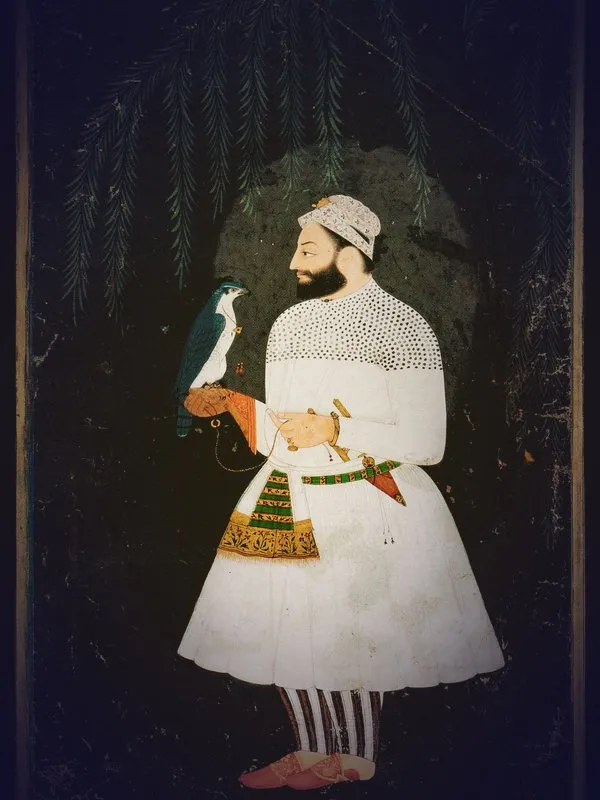
6th Sikh Guru
Sri Guru Hargobind Ji
1595 – 1644
Introduced the Miri and Piri concept (representing temporal and spiritual sovereignty) and wore two swords. He constructed the Akal Takht and established a martial tradition to defend the weak.
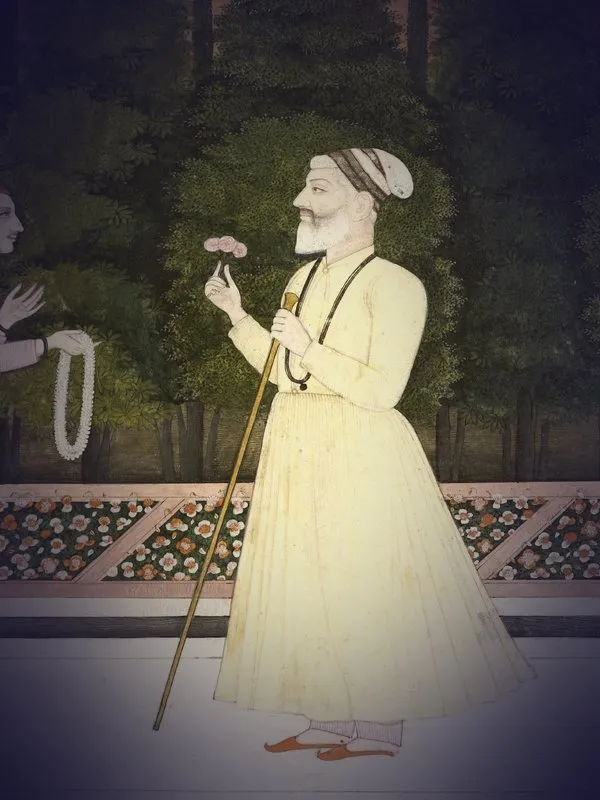
7th Sikh Guru
Sri Guru Har Rai Ji
1630 – 1661
A compassionate healer who established free hospitals and botanical gardens for medicinal herbs. He maintained a strong defense force while focusing on peaceful, devotional missionary work.
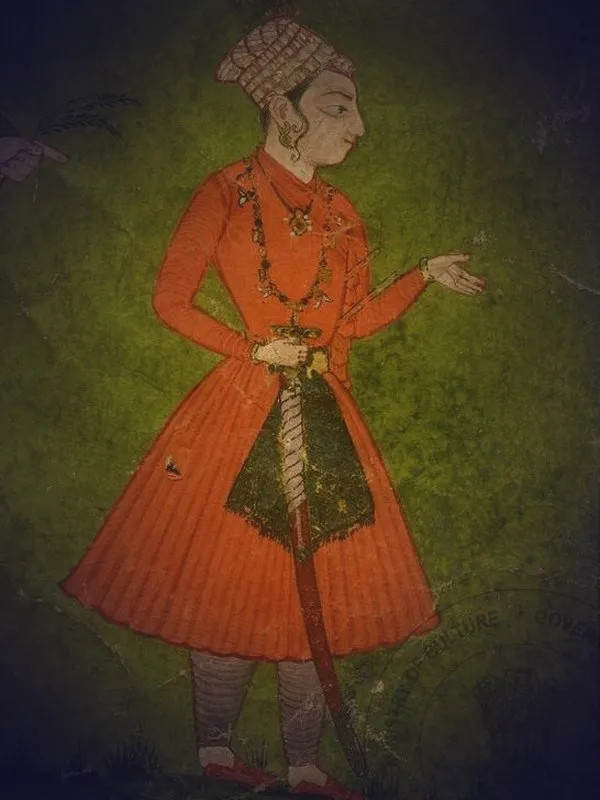
8th Sikh Guru
Sri Guru Har Krishan Ji
1656 – 1664
The Child Guru. Possessing immense spiritual wisdom, he dedicated his brief life to serving the sick during a smallpox epidemic in Delhi, sacrificing himself in the service of humanity.
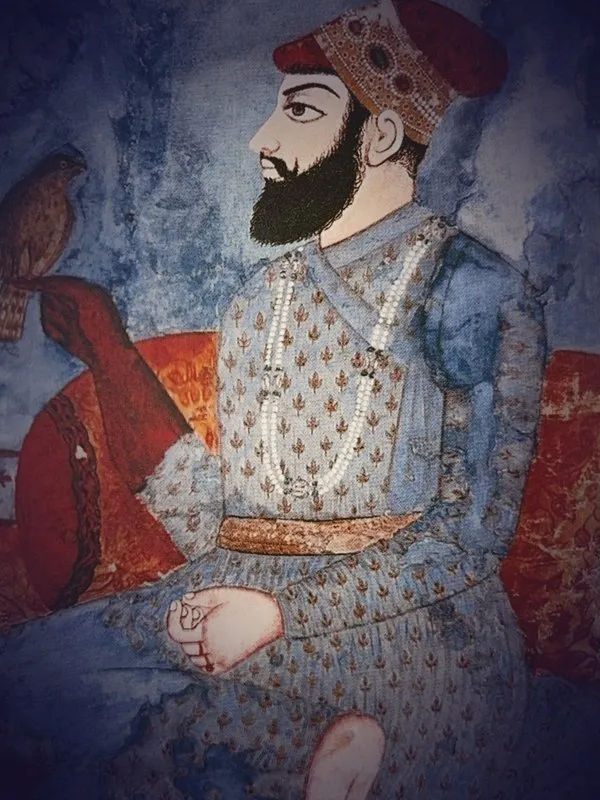
9th Sikh Guru
Sri Guru Tegh Bahadur Ji
1621 – 1675
The Shield of India. Enshrined 116 shabads in Guru Granth Sahib Ji. He stood against religious tyranny and sacrificed his life to protect the freedom of faith of others.
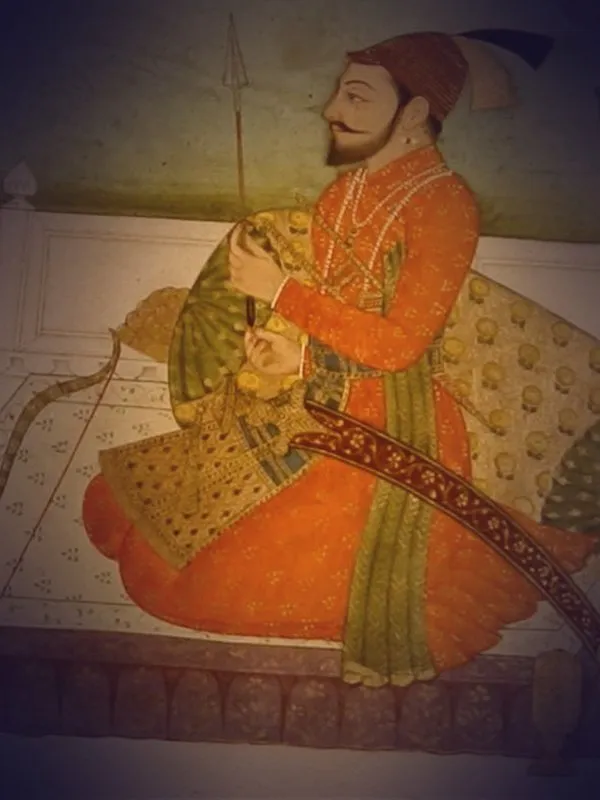
10th Sikh Guru
Sri Guru Gobind Singh Ji
1666 – 1708
The Warrior-Saint. Founded the Khalsa Panth, giving Sikhs a distinct identity. He completed the Guru Granth Sahib Ji and declared it the eternal, living Guru of the Sikhs.
The Supreme Sacrifice
Hind Di Chaadar — The Shield of Hindustan
Guru Tegh Bahadur Ji — the Ninth Sikh Master — gave His life not for His own faith, but to protect the freedom of conscience of another religion. His Shaheedi stands as an unparalleled act of sacrificial love.
1 April 1621
Sacred Birth in Amritsar
Born to Guru Hargobind Ji and Mata Nanaki Ji in the holy city. Named Tyag Mal — the one who renounces.
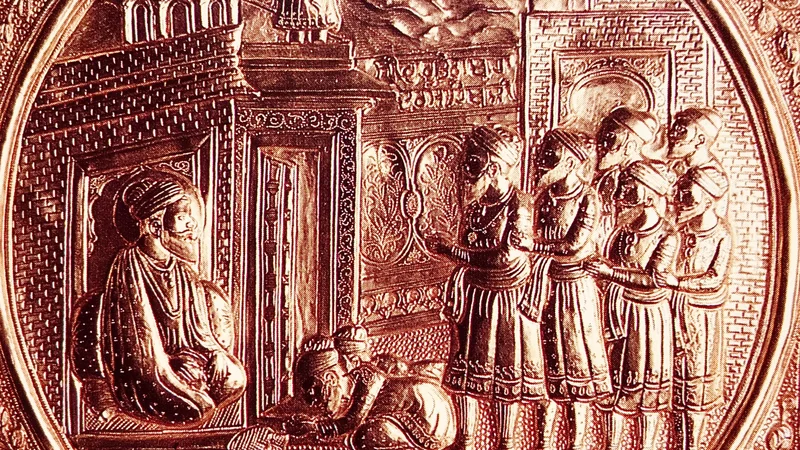
1665
Ascension as Ninth Guru
Bestowed with Guruship at Bakala. Began travelling across India, composing Shabads of profound spiritual wisdom.
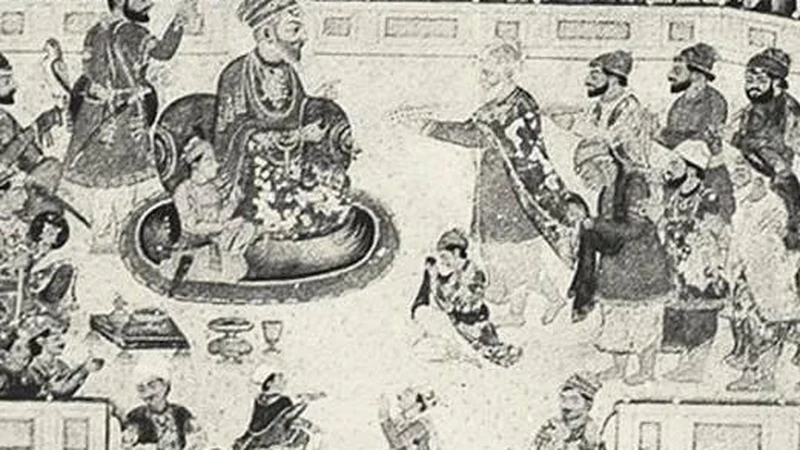
1675
Kashmiri Pandits Seek Refuge
Aurangzeb's forced conversions threatened the Kashmiri Pandit community. Their delegation came to Anandpur Sahib, pleading for a protector.
November 1675
The Supreme Shaheedi
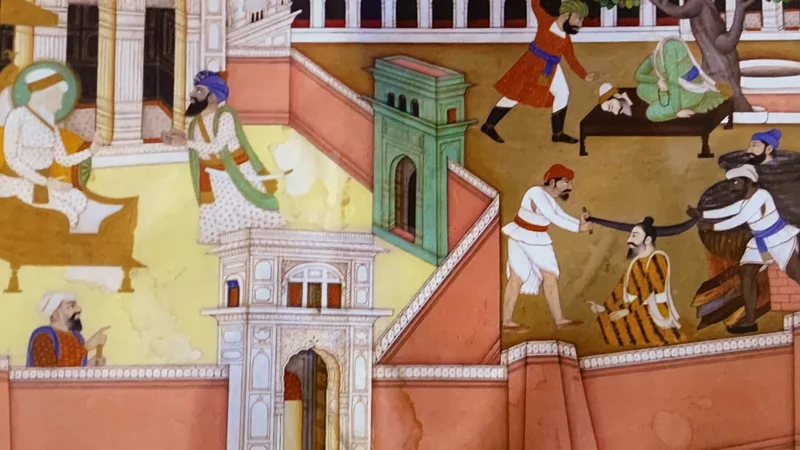
Guru Sahib was brought to Delhi. Refusing to renounce His faith or bow to oppression, He was martyred at Chandni Chowk. Three devoted Sikhs — Bhai Mati Das, Bhai Sati Das, and Bhai Dayal Das — were tortured and killed before Him.
Legacy
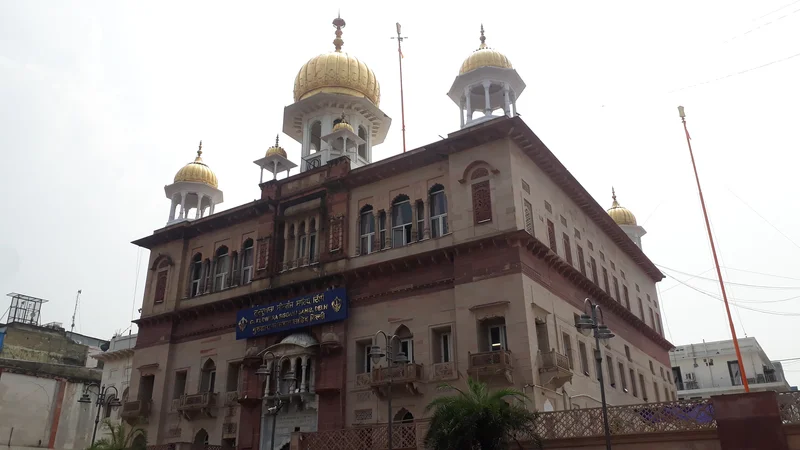
Gurdwara Sis Ganj Sahib
The site of Shaheedi became one of Sikhism's most sacred shrines. His son, Guru Gobind Singh Ji, later founded the Khalsa — carrying forward His father's spirit of fearless righteousness.
Core Teachings
The Philosophy of Vairagya & Fearlessness
Nirbhau — Fearlessness
True fearlessness comes not from strength but from knowing that the soul is eternal and cannot be harmed. Fear only God, and you fear nothing else in creation.
Vairagya — Detachment
The world is transient — wealth, power, relationships all pass. Guru Ji's Bani teaches equanimity: remain engaged with the world while not being enslaved by it.
Simran — Remembrance
Continuous meditation on the Divine Name transforms the mind and purifies the soul. This is not ritual but a living remembrance woven into each breath.
Dharam — Righteous Living
Stand for truth even when alone. Guru Tegh Bahadur Ji's ultimate act showed that righteous courage transcends faith, caste, or creed — it is a universal human duty.
A Tribute
He chose death so others could live freely
In 1675, when Aurangzeb's empire sought to erase religious diversity from the subcontinent, a group of Kashmiri Pandits came to Guru Tegh Bahadur Ji. They had no army, no political power — only a plea.
Guru Sahib knew what offering himself as protector would mean. It meant imprisonment. It meant watching His devoted Sikhs tortured to death. It meant offering His own head.
He gave it willingly. Not for the Sikh faith. For the freedom of all faiths. This is the inheritance He left humanity — the proof that a single soul can stand between tyranny and the rest of the world.
ਸੀਸੁ ਦੀਆ ਪਰ ਸਿਰਰੁ ਨ ਦੀਆ ॥
"He gave His head, but did not reveal the secret."
— Bhai Gurdas II
Get In Touch
Contact Us
Have questions or feedback about the publications or spiritual verses? Connect with us using the form below.
Mahakali Caves Road,
Near Toyota Car Showroom and MIDC Office,
Andheri (East), Mumbai 400 093.